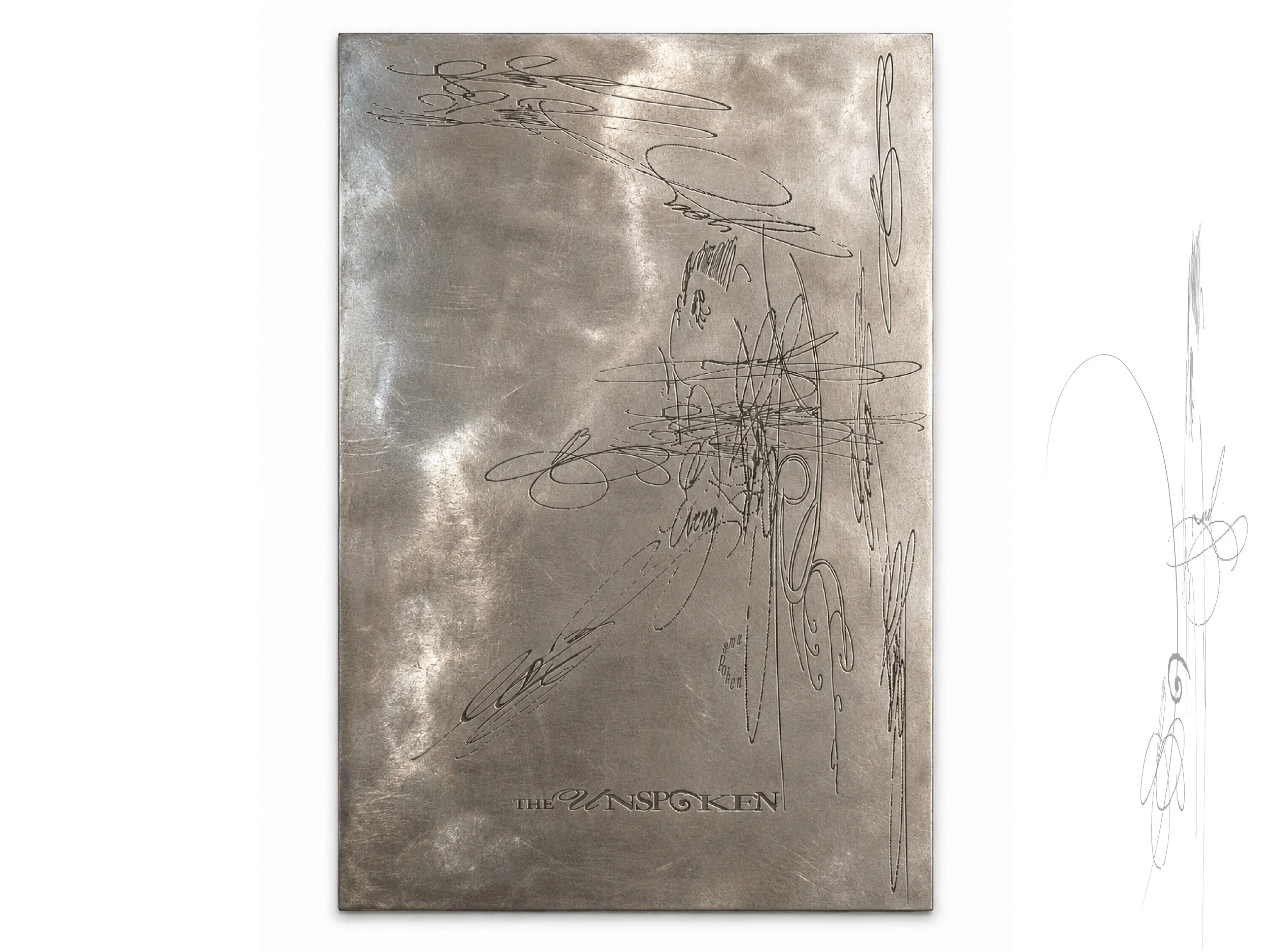
design & artwork by sevilâ nariman-qızı
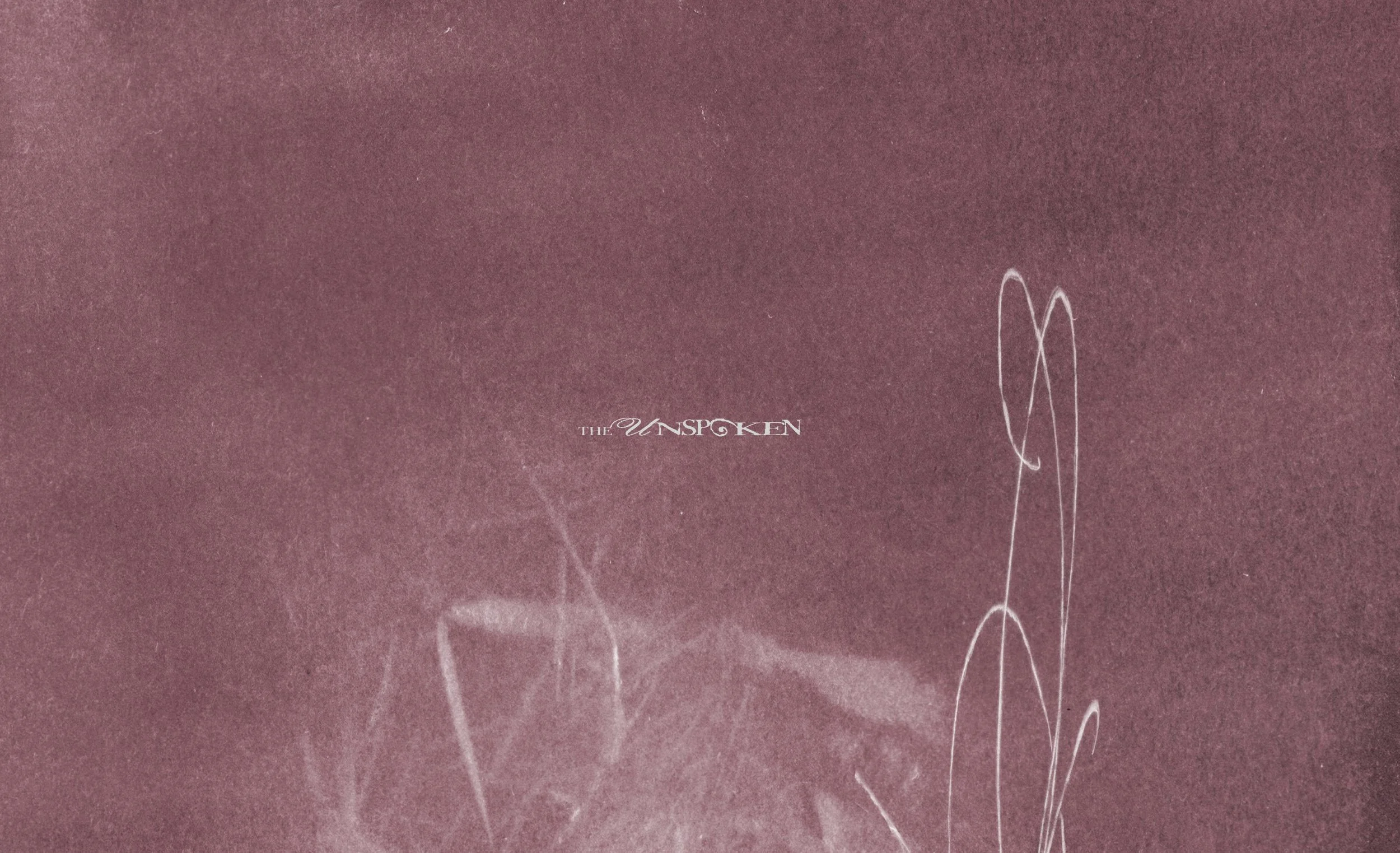
Щоденник для саморефлексії під час війни
The Unspoken / Несказане
A writing journal for people whose lives have been changed by loss, separation, displacement and forced life abroad since the start of the full-scale war.
Through structured prompts, it makes space to write what is hard to say out loud: exhaustion, distance, guilt, the pressure to stay strong. It’s time for yourself, at your own pace.
I developed this journal together with a trauma-informed therapist (prompts) and Sevilâ Nariman-qizi (design).
The Unspoken started as a series of writing workshops in Kyiv (Stroom Studio) and Berlin. Small groups met for live sessions, worked with the journal and shared their experience only if they wanted to. A final online session brought both groups together, and voluntary, anonymous fragments of their writing became a small printed testimony.
The Unspoken / Несказане
The Unspoken / Несказане — це щоденник для саморефлексії для людей, чиє життя змінили втрата, розлука, переміщення та вимушене життя за кордоном від початку повномасштабної війни.
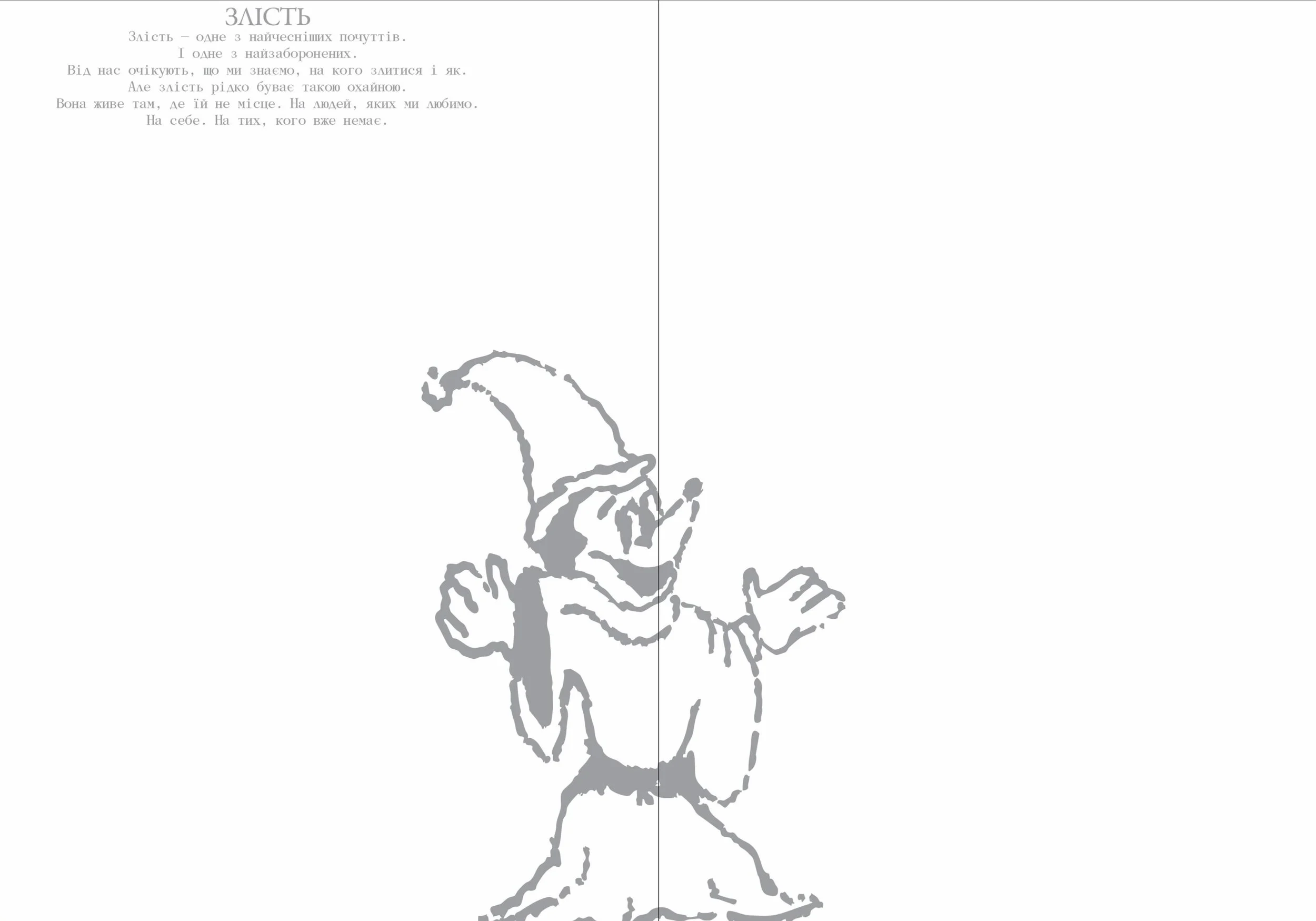
Через структуровані промпти він дає простір прописати те, про що складно говорити вголос: виснаження, дистанцію, провину, тиск залишатися стійк_ою. Це час для себе, у власному темпі.
Щоденник розроблено у співпраці з травма-інформованою терапевт_кою. Дизайн створила Севіля Наріман-кизи.
The Unspoken почався як серія зустрічей із письма в Києві (Stroom Studio) та Берліні. Малі групи працювали зі щоденником на живих сесіях і ділилися досвідом лише за бажанням. Фінальна онлайн-зустріч об'єднала обидві групи, а добровільні анонімні фрагменти текстів стали невеликим друкованим свідченням.
How the idea came about
I wanted to create a journal that asks direct, sometimes uncomfortable questions and invites you to be honest with yourself. To put your vulnerable, angry, selfish thoughts on paper, knowing no one will ever see them.
It took me several years of war to let myself name what I really feel: to recognise fear, resentment, anger, envy.
I noticed an unspoken “protocol” had appeared for how to be an unbreakable, correct Ukrainian. How to stay strong. What you can say, and about whom. Who you’re allowed to be angry at, and who you’re not. Many people don’t let themselves complain, because someone else has it worse right now. Sharing your happiness isn’t the right time either.
But everything we don’t let ourselves feel or say doesn’t disappear. It stays inside and turns into shame, guilt, resentment, judgement of ourselves and others. And I think these “protocols of correctness” have deepened the divide between Ukrainians in Ukraine and Ukrainians abroad.
That’s how the idea came about: to develop this journal and bring together small groups to introduce people to this approach, start writing, get to know the journal and meet a specialist who knows how to talk about these emotions.
Now the journal becomes a tool that other groups and people can use, for shared reflection and connection between very different experiences of war.
Як виникла ця ідея
Мені хотілося створити щоденник, який через прямі, часом некомфортні запитання запрошує бути чесними із собою. Викласти на папір свої вразливі, злі, егоїстичні думки і знати, що цього ніхто не побачить.
Мені знадобилося кілька років війни, щоб дозволити собі називати те, що я дійсно відчуваю, своїми іменами, розпізнавати страхи, образи, злість, заздрощі.
Я помітила, що з'явився негласний “протокол” того, як бути “незламним правильним українцем”. Як бути стійким_ою. Що можна говорити і про кого. На кого можна злитися, а на кого не можна. Також багато хто забороняє собі скаржитися, бо комусь зараз ще гірше. Ділитись своїм щастям теж не на часі.
Але все, що ми не дозволяємо собі відчути або сказати, нікуди не зникає. Воно залишається всередині, перетворюється на сором, провину, образу, осуд себе та інших.
І, як на мене, саме ці “протоколи правильності” ще більше поглибили розкол між українцями в Україні та українцями за кордоном.
Так з'явилась ідея розробити цей щоденник і зібрати невеликі групи, щоб познайомити людей із цим підходом, почати писати, познайомитись зі щоденником, зустрітись зі спеціаліст_кою, яка вміє говорити про ці емоції.
Щоденник залишиться інструментом, яким зможуть користуватися інші групи та люди в майбутньому — для подальшої спільної рефлексії й зв'язку між різними воєнними досвідами.
Цей щоденник актуальний для кожн_ої, хто проживає досвід війни — в Україні чи за кордоном, з дуже різними досвідами.
The Unspoken is funded by the European Union. Views and opinions expressed are however those of the author(s) only and do not necessarily reflect those of the European Union or European Education and Culture Executive Agency (EACEA) . Neither the European Union nor the granting authority can be held responsible for them.